Blog Posts Related to Depression, Stress and Anxiety
What is Anxiety, Depression, and Stress, and How Are They Related?
Mental health disorders, such as anxiety, depression, and stress, are becoming increasingly prevalent today due to the fast world of today. It is therefore important for people trying to better their well-being to understand these conditions and how they relate to one another. This article addresses what anxiety, depression, and stress are, their relationships, and what one can do to better handle these problems.
What is Anxiety?
Anxiety is a normal response to stress or perceived danger. It is characterized by feelings of fear, worry, or unease. While it is normal to experience occasional anxiety, excessive or chronic anxiety can start to affect daily life.
Symptoms of Anxiety
•Excessive worrying
•Restlessness or feeling on edge
•Difficulty concentrating
•Rapid heartbeat and shortness of breath
•Trouble sleeping
Common Triggers: Work pressure, financial concerns, relationship problems, or health issues.
Actionable Advise: The first step in addressing the condition is understanding anxiety symptoms.
What is Depression?
Depression is a type of mood disorder characterized by low moods, hopelessness, and a disinterest or lack of pleasure in things. Unlike sad moments, depression can persist for weeks, months, or even years if not treated.
Symptoms of Depression:
•Persistent low mood
•Fatigue or loss of energy
•Loss of interest in hobbies or activities
•Changes in appetite and sleep patterns
•Trouble concentrating or deciding
Depression impacts your emotional life, physical well-being, relationships, and productivity.
Actionable Advise : Effective management of depression will greatly enhance your quality of life.
What is Stress?
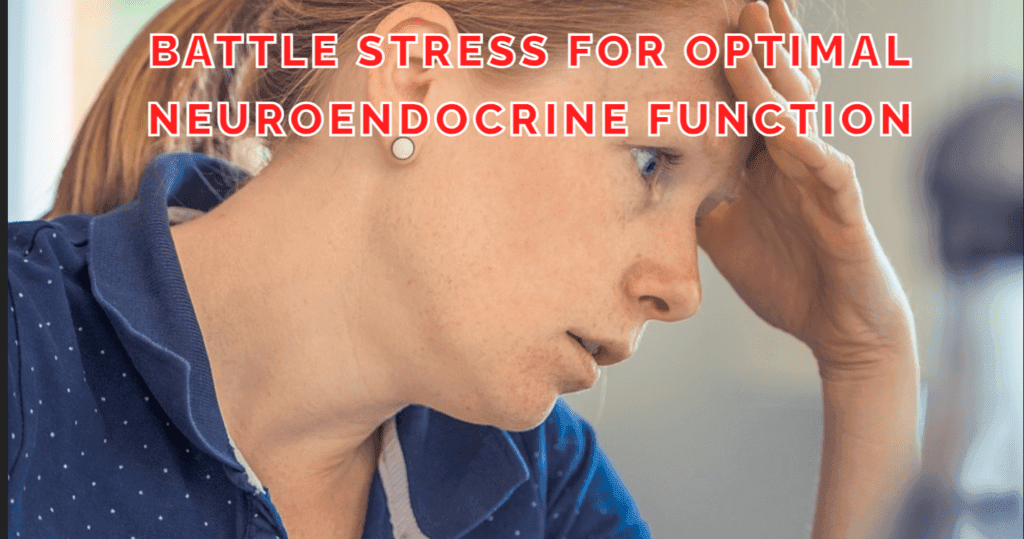
Stress is your body’s response to stressors. Even though short-term stress might push you to meet deadlines or solve problems, chronic stress can be detrimental to your mental and physical well-being.
Symptoms of Stress:
•Irritability or anger
•Muscle tension or headaches
•Sleeping problems
•Digestive issues
•Overwhelmed
Actionable Advise: Stress management techniques incorporated into daily routines can make it easier to cope with stress.
How Are Anxiety, Depression, and Stress Related?
All three are very closely interrelated and usually coexist with each other. Here’s how:
1. Shared Symptoms: Anxiety, depression, and stress have overlapping symptoms such as sleep disturbances, irritability, and difficulties concentrating. This overlapping tends to blur the lines distinguishing between the conditions.
2. One Condition May Lead to Another
* Stress could lead to anxiety and develop into depression after a long period.
* Anxiety causes hopelessness, a fundamental symptom of depression.
3. Physiological Links:
• Chronic stress leads to the production of cortisol, which, when produced in excess, can cause interference with brain functions and lead to both anxiety and depression.
• These conditions often affect similar areas of the brain, such as the amygdala and prefrontal cortex.
Actionable Advise: Understanding the relationship between anxiety, depression, and stress can help you take proactive steps to manage them.
Tips for Managing Anxiety, Depression, and Stress
1. Cultivate Mindfulness and Meditation: Mindfulness helps one remain in the present moment, reducing overthinking, which is a major contributor to anxiety and stress.
2. Healthy Lifestyle: Exercise, balanced diet, and sufficient sleep can help improve mental health.
3. Setting Realistic Goals: Breaking tasks into manageable steps helps reduce feelings of being overwhelmed.
4. Social Support: Share your feelings with trusted friends or family members. Connecting with others can help alleviate feelings of isolation.
5.\tProfessional Help: Therapy or counseling can provide tools and strategies for effective coping with these conditions. Medications may be an option for severe cases.
Keyword Focus: Combining professional help with self-care routines can yield the best results.
Final Thoughts
Anxiety, depression, and stress are three different conditions, yet very closely related. With an understanding of their symptoms and how they are related, you can take the right steps to manage them well. Seek help is not a weakness but a sign of strength. With proper strategies and support, one can live a fulfilling life despite all these challenges.
- Social Relations Under Human Relation CrisisIn the current world, which is experiencing social and technological changes, the traditional forms of human relationships have been threatened. The term “human relation crisis” has been used more frequently to define the process of the decline in human relations, the increase in loneliness, the weakening of communities, and the dominance of digital media in ...
- You Are Invited: The Wedding of Rationality and PassionYou are cordially invited to witness “The Wedding of Reason and Passion” — a breathtaking narrative of transformation that will leave you inspired!
- Women Gateway of Love, Womanism is the Kernel of Humanismhere, I describe a deeper, spiritual understanding of love that extends beyond romantic or familial bonds. I take “Love as a tremendous force that unites all living things…” (Peck, 1978) that unites all living things, protects us, and frees us from fear. Love also grants us freedom. “Love enables us to be authentic, express our ...
- Gender Inequality: Male Inferiority and The Insignificance of ManMany men have an inferiority complex when they engage with women. This complicated problem has roots in psychological concerns, gender expectations, and societal norms. Relationships between men and women have changed as a result of the advent of feminism and womanism, which have challenged conventional ideas of male superiority.
- Women’s Solidarity, empowerment and SisterhoodWomankind is facing grave problems in establishing sisterhood and in expressing solidarity with their sisters against men. Women’s solidarity refers to the unity and mutual support among women working toward common goals, while women’s sisterhood emphasizes emotional bonds and a collective identity among women.